Shopping links in this guide go to official brand pages and are not affiliate links. We do not earn a commission from them. Our disclosure
Noise cancellation is easy to turn into a contest of superlatives. A more useful shopping question is what you want listening to feel like in your usual surroundings. Perhaps you want fewer distractions while working, a calmer train ride, or an easy way to move between music and conversation. Those needs involve fit, controls, and listening modes as well as cancellation. A premium label does not make those other decisions disappear.
Choose cancellation as part of a complete headphone design. Start with fit, then compare mode controls and your actual devices. Do not use listening-cancellation claims as a shortcut for judging microphone performance.
Name the environment you are buying for
Write down where you will use the headphones most and what currently interrupts you. A home desk, shared workspace, and train journey are different situations. This is not a promise that one model will remove every sound in any of them; it is a way to keep a buying decision tied to a repeated experience.
Look for evaluations that describe a setting close to yours instead of relying on a single ranking. If your concern is unpredictable conversation around a desk, a demonstration focused only on a steady background sound gives an incomplete picture. Ask what was evaluated, under which conditions, and whether the fit was appropriate for the listener.
Treat fit as part of the system
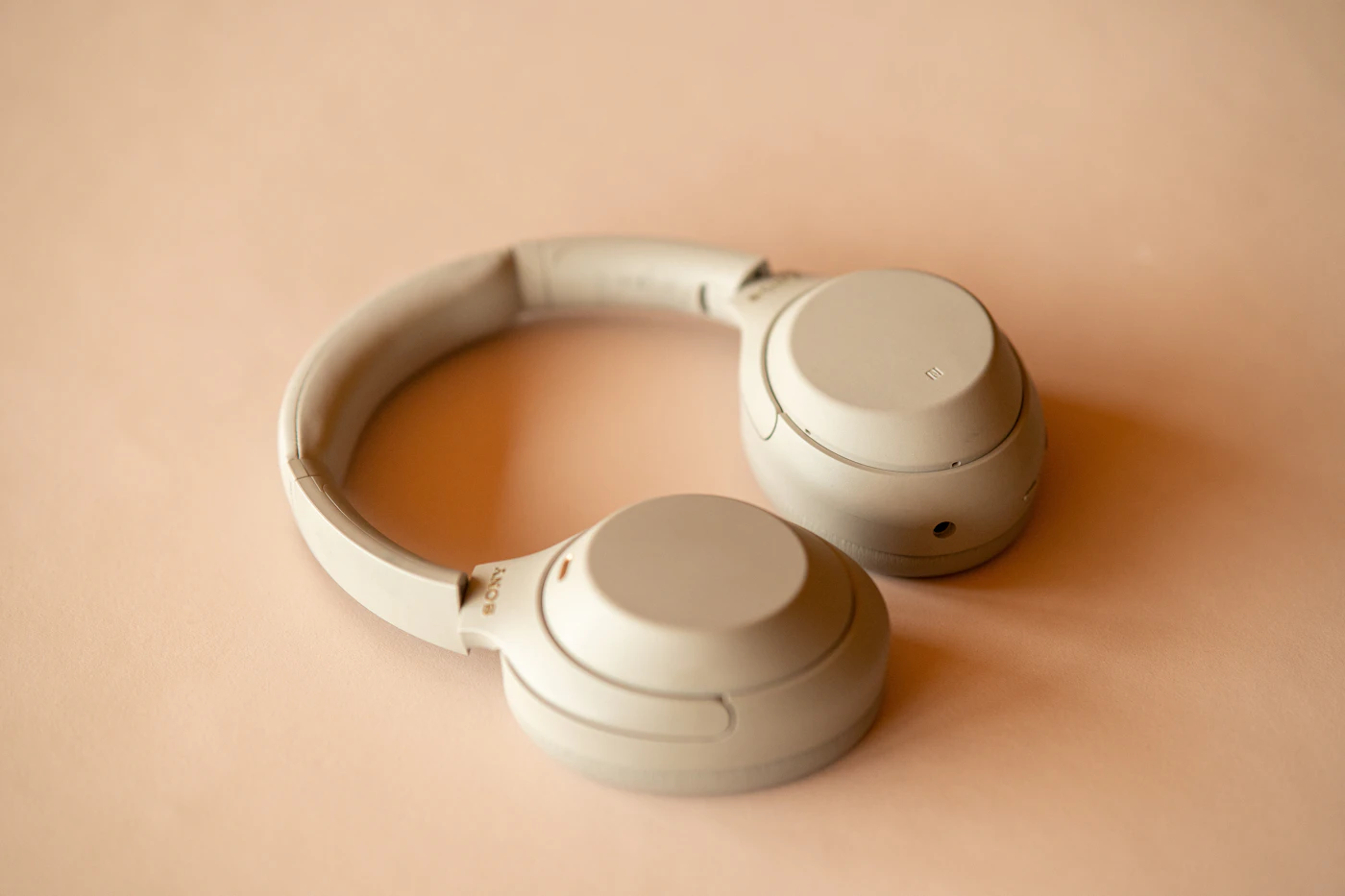
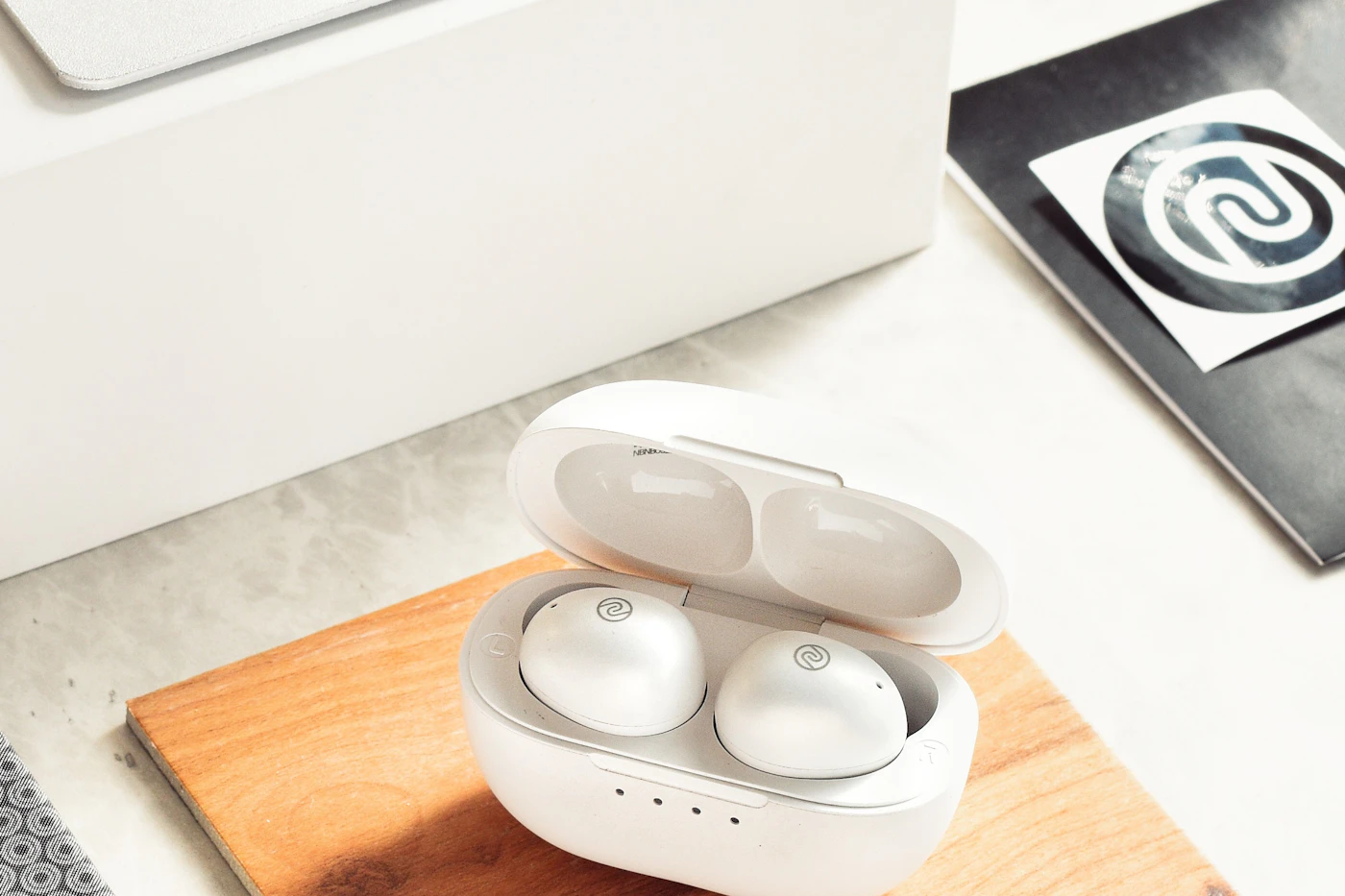
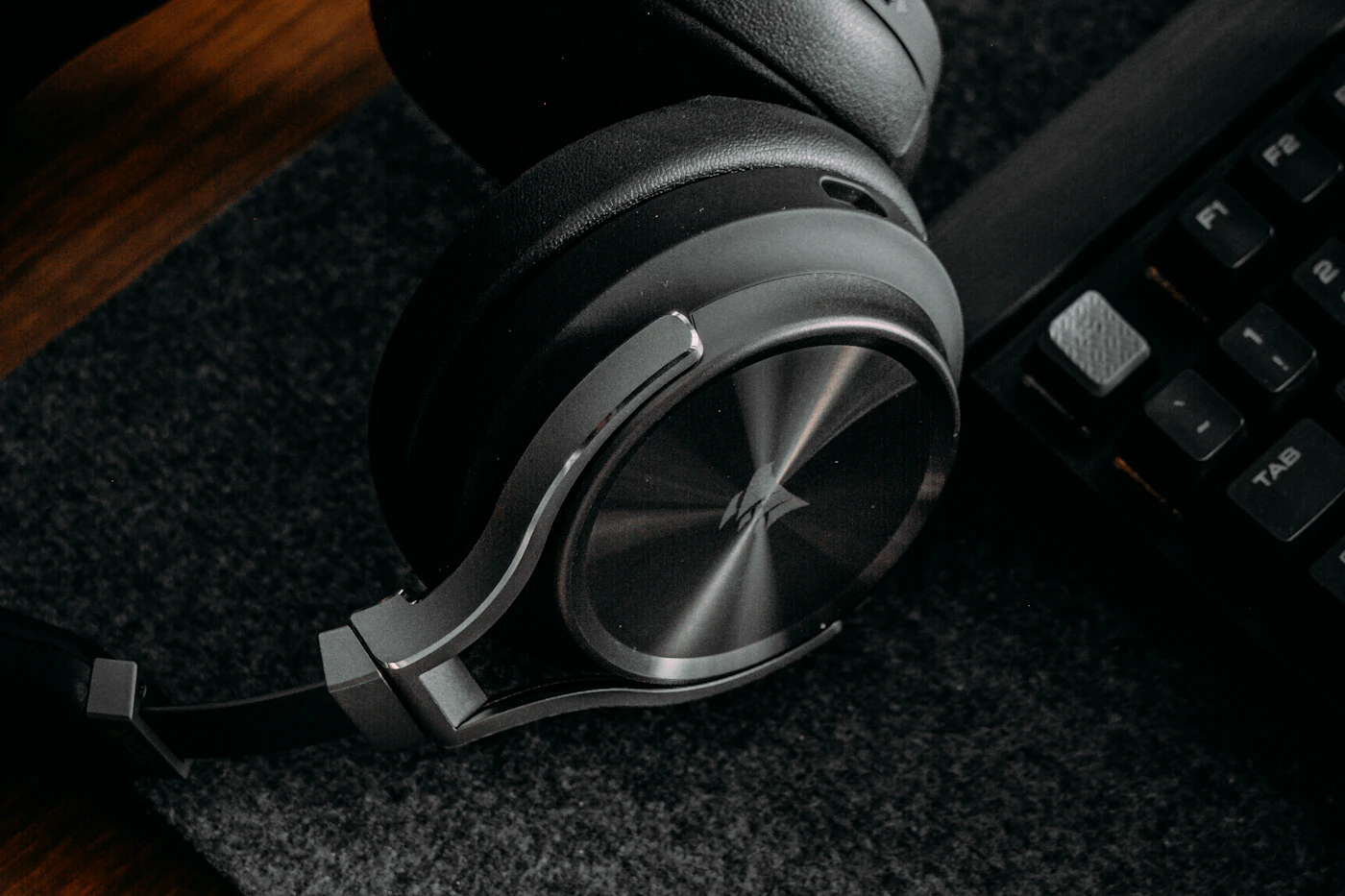
An earbud’s tip choice and an over-ear model’s cushion contact are practical starting points. Check the manufacturer’s fitting guidance, available sizes, and replacement parts. You should not have to tolerate a poor physical fit because the product sits at the top of a list. An uncomfortable design is unlikely to become a regular companion.
Consider the things you wear alongside the headphones, including glasses and earrings. Your needs may differ from a reviewer’s, even when their observations are careful. A clear return policy gives you a way to evaluate fit without pretending that a photograph or published weight can settle the question.
Understand the purpose of each listening mode
Apple’s AirPods page distinguishes active noise cancellation from Transparency, which is intended to let outside sound through. That basic distinction is useful when comparing any brand: one mode reduces unwanted sound, while another makes it easier to hear your surroundings. Names and implementations vary, so read the exact product description.
The practical question is how you change modes during an ordinary day. A clearly assigned button or gesture can matter more than a large menu of automatic behaviors. If you frequently pause for a conversation, inspect the full sequence: switch mode, stop playback if needed, speak, and return. Convenience lives in that sequence.
Keep microphone claims in a separate column
What you hear through the headphones and what a caller hears from your microphone are separate buying considerations. A product may emphasize both, but evidence for one does not establish the other. If calls matter, seek speech examples and documented mute controls rather than extrapolating from a cancellation claim.
This distinction also helps allocate the budget. Someone who listens to music for most of the day may spend differently from someone who joins meetings for hours. You do not need to buy the most elaborate version of every feature. Choose the combination that addresses your two or three most common situations.
Read the conditions and ignore the scoreboard
Battery claims may specify whether cancellation is enabled. Compare like conditions and make sure the intended mode is represented. Also review which features depend on an application, account, operating system, or particular source device. A feature that is unavailable in your setup should have no weight in your decision.
Avoid translating a manufacturer’s relative improvement claim into an imagined everyday percentage of silence. Without matching methods and conditions, such comparisons can be hard to interpret. During a permitted evaluation period, judge comfort, control behavior, and the usefulness of the modes in your normal routine. SmartGearScope offers this purchase framework without claiming hands-on measurements.
A closer look at the tradeoffs
| Priority | Useful direction | Tradeoff |
|---|---|---|
| Portable listening | Well-fitting canceling earbuds | Tip fit and case management |
| Long seated sessions | Comfortable over-ear cancellation | Larger storage footprint |
| Frequent conversation | Easy-to-reach mode and pause controls | Automatic features may need adjustment |
Before you buy
- Identify the main listening environment.
- Check fitting guidance and replacement parts.
- Compare battery claims in the intended mode.
- Evaluate call features separately from listening cancellation.
Confirm the exact model, compatibility, current price, and return policy at the official destination before ordering.
Compare listening features at Apple’s official store ↗Common questions
Should the strongest cancellation claim decide the purchase?
No. Fit, comfort, controls, compatibility, and cost all affect whether the headphones work for you. Treat the claim as one item requiring context rather than a complete verdict.
Is a transparency mode the same as removing headphones?
No. It is an electronic listening feature with product-specific behavior. Evaluate whether its sound and controls suit your conversations instead of assuming it duplicates an uncovered ear.
Sources & further reading
Manufacturer documentation consulted October 10, 2026. Buying judgments are our editorial interpretation; published specifications do not establish real-world performance.
See something that needs updating? Send a correction.