Shopping links in this guide go to official brand pages and are not affiliate links. We do not earn a commission from them. Our disclosure
Choosing between earbuds and over-ear headphones is less about declaring one shape superior and more about deciding what you are willing to carry and wear. A device that stays at home cannot improve your train journey, while something tiny is not automatically comfortable through an afternoon of work. Think about your longest listening session and your most frequent interruption. Those two situations reveal more than a comparison of flagship features.
Earbuds suit people who value pocketable storage and short, frequent listening. Over-ear headphones suit listeners willing to carry a larger item for a different fit. Try the format before upgrading within it.
Begin with the way each format touches you
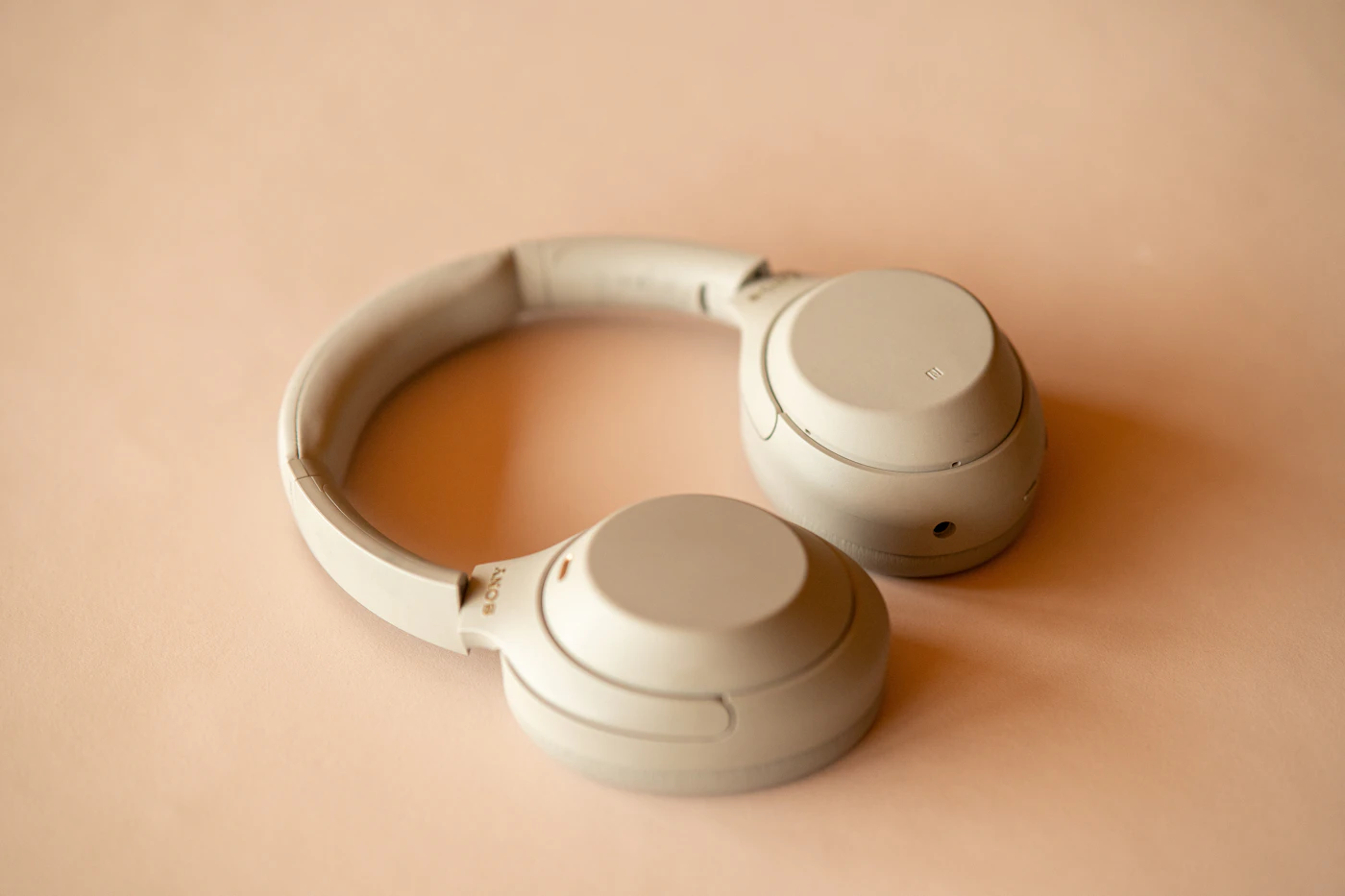
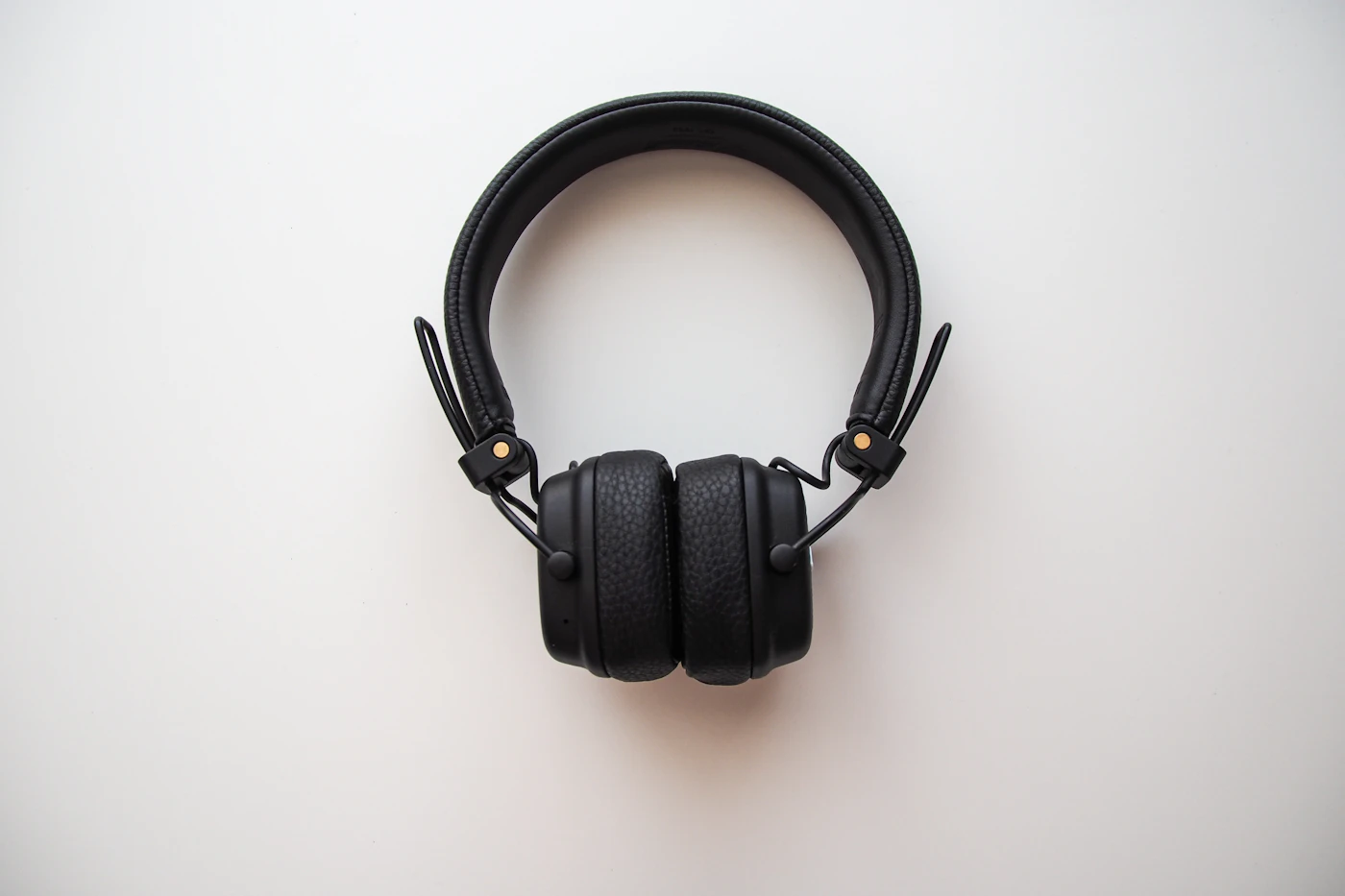
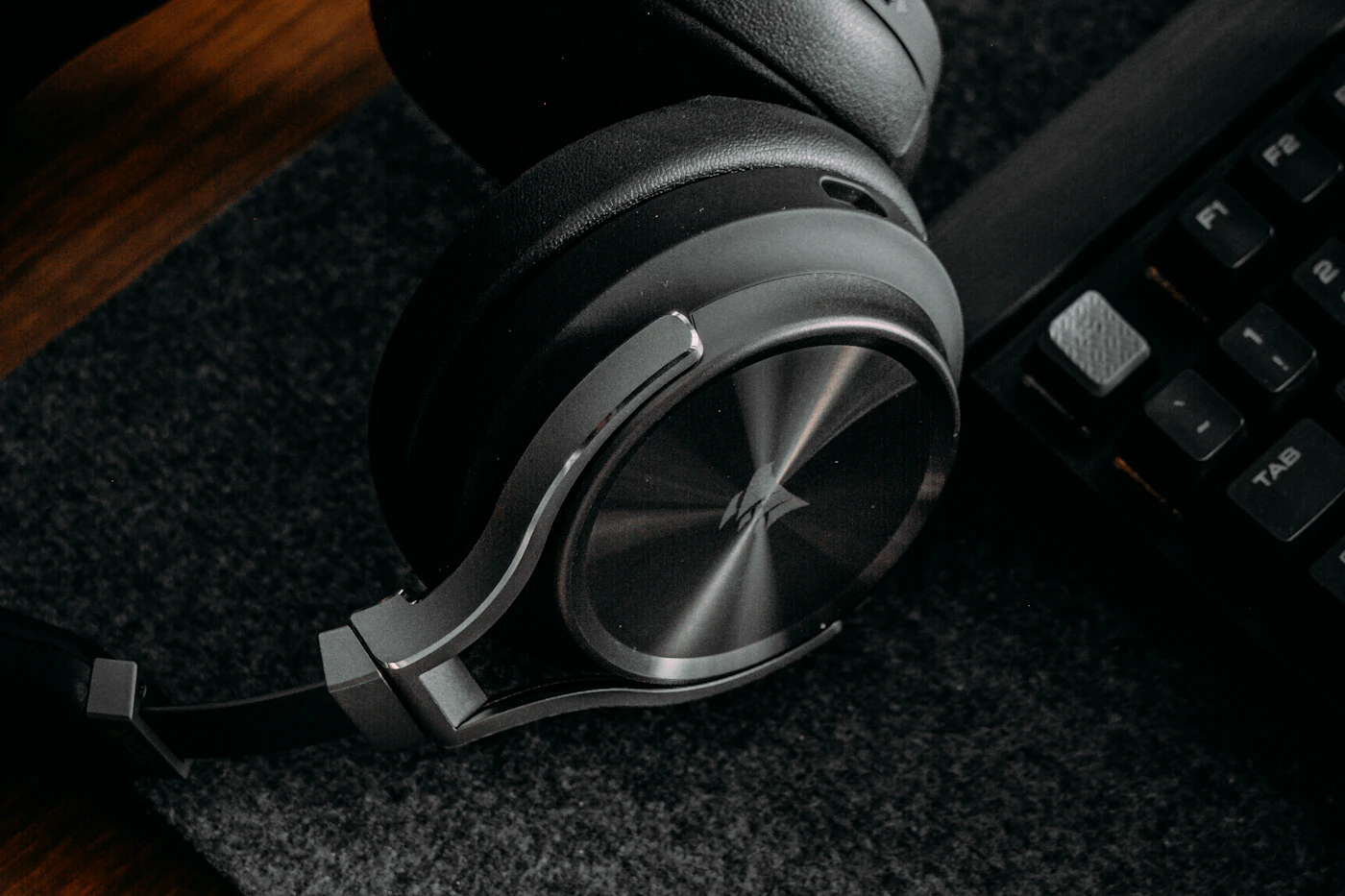
Earbuds place their weight and contact points around the ear opening; over-ear models use a headband and cushions surrounding the ears. Your preference may change with glasses, earrings, hairstyle, or how often you turn your head. There is no useful universal comfort score that substitutes for how a particular design fits you.
If you already abandon earbuds after half an hour, buying a more expensive pair in the same shape is a gamble. Likewise, a heavy headband may remain a poor match even if its electronics are excellent. Use your experience with the format as evidence, then assess individual products within that constraint.
Count all the items that travel with you
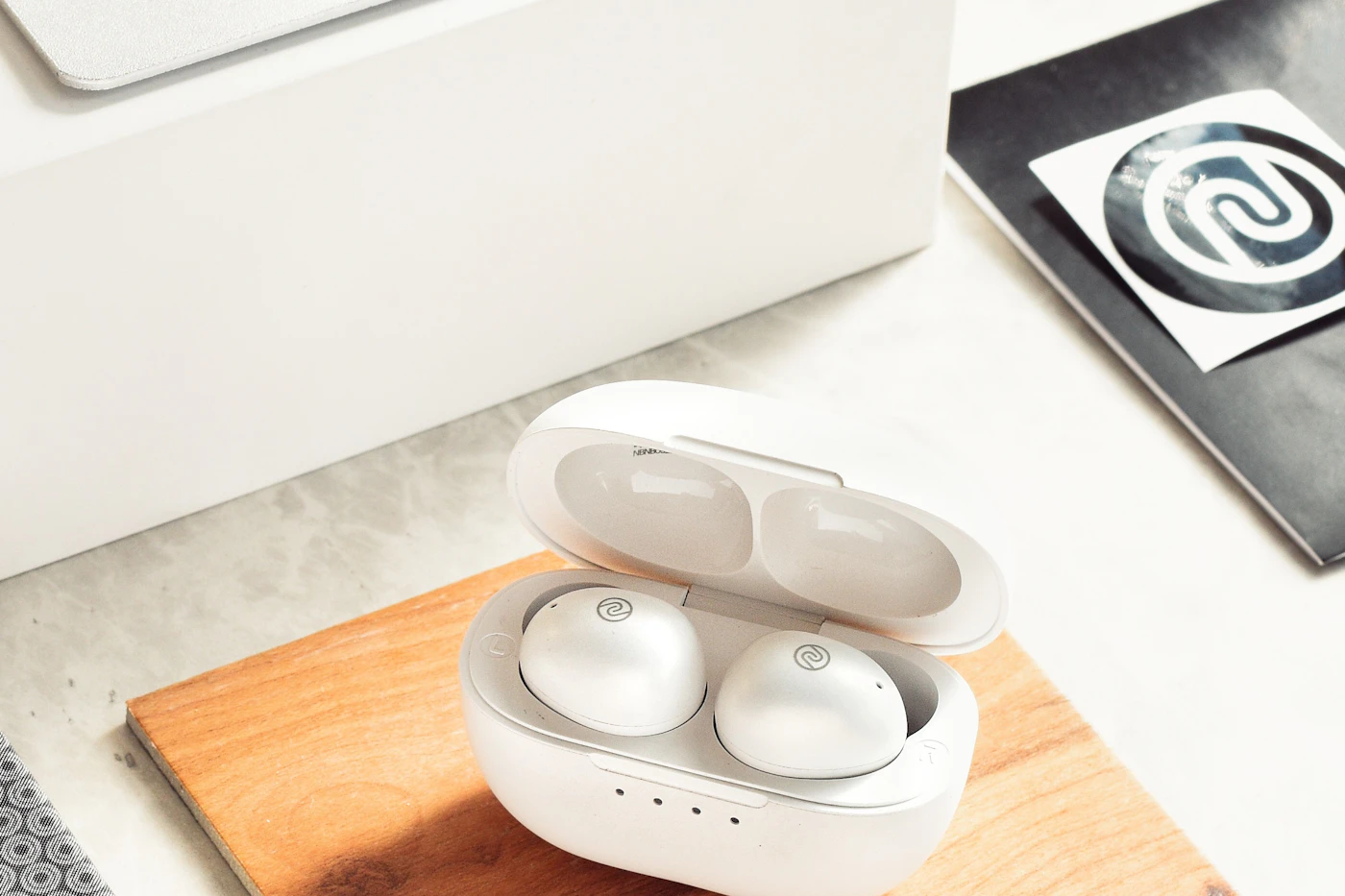
An earbud setup generally means two listening pieces plus a case. An over-ear setup means a larger single headset, often with another case. Imagine arriving at a cafe, ordering, opening a laptop, and clearing the table again. Which arrangement gives you a natural place to put everything? A pocket, bag hook, or desk drawer can change the answer.
Apple’s AirPods range illustrates that one ecosystem can include both in-ear and over-ear products. Ecosystem convenience may narrow the shortlist, but it should not decide the format for you. Compare the packed dimensions and your preferred controls rather than assuming similar branding creates a similar wearing experience.
Match the format to the listening session
For several short breaks, earbuds can be convenient because storage is quick and discreet. For an evening album session, you may prefer putting on a full-size headset and leaving it there. Neither choice establishes better sound without considering the specific products, fit, and source material. Avoid turning a format preference into an unsupported quality claim.
Shared spaces add another variable: how often you need to stop listening and talk. Think through removal and replacement, not just the presence of a transparency feature. A user who takes headphones off every few minutes has a different problem from one who wants uninterrupted time with a long podcast.
Compare ownership, not just purchase day
Look for manufacturer information about replacement ear tips, cushions, cables, and lost components. These are practical questions about keeping a purchase useful. A low initial price becomes less attractive if the part most likely to wear out cannot be replaced at a reasonable cost. Do not assume every accessory listed for a product family fits every generation.
Cleaning and storage also differ. Choose a design whose care instructions you are willing to follow. Consider where the case charges, how the headphones dry after ordinary use, and whether your bag protects the parts that bend. Simple ownership routines are easier to maintain than elaborate ones built around a product’s weaknesses.
Spend on the problem you have
If portability is the obstacle, a premium over-ear model will not shrink your bag. If in-ear fit is the obstacle, a long feature list may not make earbuds tolerable. Allocate the budget first to the right physical design, then to connection behavior, controls, and any listening features that matter in your routine.
There is also a sensible third option: keep different inexpensive tools for different places. A wired desk pair plus portable earbuds can suit a mixed routine better than one costly compromise. Calculate the total cost and clutter honestly; two devices only help when each has a clear role and an obvious place to live.
A closer look at the tradeoffs
| Format | Best fit | Tradeoff |
|---|---|---|
| Wireless earbuds | Pocketable everyday listening | More small components to track |
| Over-ear headphones | Longer sessions with a headband fit | Larger carrying footprint |
| Wired desk pair plus earbuds | Distinct home and travel routines | Two products to maintain |
Before you buy
- Identify your longest normal session.
- Consider glasses and other contact points.
- Compare complete case dimensions.
- Check replacement accessories for the exact model.
Confirm the exact model, compatibility, current price, and return policy at the official destination before ordering.
Compare AirPods at Apple’s official store ↗Common questions
Do over-ear headphones always sound better?
No. Format alone does not establish sound quality. Specific tuning, fit, source material, and individual preferences all affect the result; a product comparison needs more evidence than size.
Should I buy both formats?
Only if they serve different frequent uses. Start with the format that solves the largest problem, then add another when you can name a clear role for it.
Sources & further reading
Manufacturer documentation consulted October 10, 2026. Buying judgments are our editorial interpretation; published specifications do not establish real-world performance.
See something that needs updating? Send a correction.